
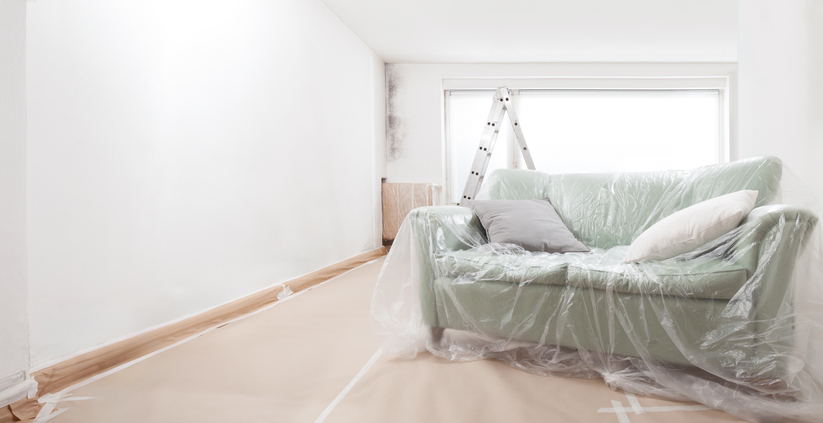
When planning a new flooring project, one of the most common questions homeowners ask is: “What should I do with all the furniture?” Whether you’re installing luxury vinyl plank, hardwood, tile, or laminate floors, furniture management plays a huge role in how smooth and efficient your project will be. This guide walks you through your best options, what to expect, and how to prepare.
Why Furniture Matters
Furniture plays a much bigger role in a flooring project than many homeowners expect:
- It can slow down the crew if they have to constantly move items around.
- It introduces a risk of damage—to the furniture, your walls, and even the new floors.
- It can limit access to corners, edges, and tight spaces that need careful attention.
The best-case scenario for any flooring project is a completely empty space, but that’s not always possible, especially when you’re living in the home during the remodel.
Best Option: An Empty Home or Room
If you’re able to move out temporarily or the home is vacant, that’s ideal. An empty house allows the crew to:
- Move quickly from room to room without delay
- Set up tools and materials more efficiently
- Install flooring seamlessly, with no interruptions
- Avoid any chance of damaging your personal belongings
This approach is recommended whenever possible, especially for whole-home flooring projects.
The Next Best Thing: Clear Out the Small Stuff
If moving out isn’t an option, the next best approach is to clear out as much as possible:
- Remove all small furniture like nightstands, chairs, end tables, and shelves.
- Take down or pack up decor, electronics, and anything fragile or valuable.
- Empty bookshelves and storage units so they’re easier to move.
This reduces the moving workload for everyone, limits the chance of damage, and gives the installers more room to work efficiently.
What About Large or Heavy Furniture?
For bigger items—like beds, sofas, sectionals, or dining tables—here’s what to consider:
- Leave larger pieces until the day of install but be prepared to help create access. Many installers can shift large items from one side of the room to the other as they go.
- Disassemble what you can. For example, remove bed frames, table legs, or cabinet drawers to make them lighter and more manageable.
- In some cases, the crew can move these larger items for you. However, this must be discussed ahead of time and may incur additional costs or require a signed waiver.
Who Moves the Furniture?
This is one of the biggest sources of confusion. Here’s the general breakdown:
- Homeowners are responsible for moving small items and valuables.
- The installation crew can move large items if pre-arranged, but it’s recommended that any fragile, sentimental, or high-value items be moved by you.
- If you’re unsure what needs to be moved or want help coordinating, ask! Most flooring professionals are happy to guide you through the prep process.
Additional Tips for a Smooth Experience
- Protect your walls – Remove wall art and anything that could fall or get damaged while moving furniture.
- Unplug electronics – TVs, lamps, and smart home devices should be disconnected and stored safely.
- Clear walking paths – Ensure there’s a clear, open path for moving furniture in and out of rooms.
- Pets and kids – Make arrangements to keep pets and kids safely away from the work area.
Final Thoughts
Preparing your home before a flooring project starts can make all the difference. An empty or mostly empty space speeds up the process, reduces the chance of damage, and ensures a cleaner, more professional finish.
Remember: The less furniture needs to be moved, the faster and smoother your install will go. Clear communication with your flooring contractor about furniture logistics ensures everyone is on the same page and the project proceeds without unnecessary delays or complications.
Still have questions? Contact Simple Floor Solutions and we’ll walk you through it.