
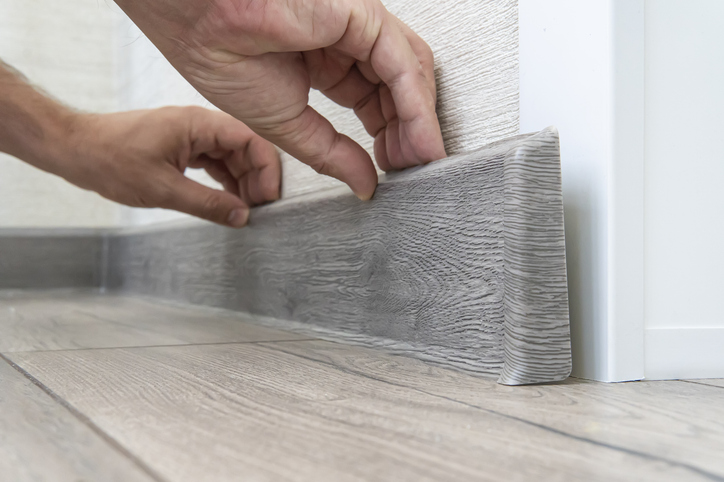
If you’re planning to upgrade your floors, one of the most common questions we hear from homeowners is: “Do I need to remove my baseboards before installing new flooring?” The answer depends on a few key factors, including the type of flooring you’re installing, the height and style of your baseboards, and the overall look you want to achieve. In this article, we’ll break down the pros and cons of removing baseboards versus leaving them in place, and help you understand what makes the most sense for your specific project.
The Role of Baseboards in a Flooring Installation
Baseboards are trim pieces that run along the bottom of your walls. Their primary function is to cover the gap between your flooring and the wall, but they also serve as a design feature that gives your home a finished look. When new flooring is installed, especially floating floors like laminate or LVP (Luxury Vinyl Plank), there needs to be an expansion gap around the perimeter to allow for natural movement. This gap is typically covered by the baseboard or a trim piece called quarter round.
Option 1: Removing the Baseboards
Pros:
- Cleanest, most professional finish: Removing baseboards allows the new flooring to be installed all the way to the wall. The baseboards are then reinstalled on top, creating a seamless, clean look.
- No need for additional trim: If you remove and reinstall your baseboards, you won’t need quarter round or shoe molding to cover the expansion gap.
- Ideal for major remodels: If you’re already doing a full renovation or replacing baseboards, removing them before flooring makes a lot of sense.
Cons:
- Extra labor and time: Removing baseboards can be time-consuming, and there’s always a risk of damaging them during removal.
- Wall touch-ups may be needed: Depending on how the baseboards were installed, taking them off may leave scuff marks, paint chips, or small holes that need repair.
Option 2: Leaving the Baseboards in Place
Pros:
- Faster installation: Leaving baseboards on saves time and can reduce labor costs.
- Avoids wall damage: No risk of chipping paint or drywall from baseboard removal.
- Great for newer homes or when baseboards are well-secured: If your baseboards are newer or you just had them painted, you may prefer to leave them alone.
Cons:
- Requires quarter round or shoe molding: To cover the expansion gap, your installer will need to add additional trim in front of the baseboards.
- Slightly bulkier look: While quarter round looks fine in most homes, some people feel it makes the trim area look thicker or less modern.
What We Recommend at Simple Floor Solutions
At Simple Floor Solutions, we approach every project individually based on what’s best for your home, your timeline, and your preferences. Here’s our general rule of thumb:
- If you want the cleanest, most custom look and don’t mind a little extra prep work, we recommend removing the baseboards.
- If you’re looking for a quicker install or want to avoid the hassle of repainting or repairing trim, leaving the baseboards and adding quarter round is a great option.
We always take time to discuss the pros and cons with our clients during the consultation so they can make the choice that fits their home and lifestyle best.
Final Thoughts
There’s no “one-size-fits-all” answer when it comes to baseboards and flooring installation. Both methods can produce great results—it really comes down to your goals, preferences, and what kind of look you’re going for.
Still have questions? Contact Simple Floor Solutions and we’ll walk you through it.